Warhol's Ghost Reels at MoMA
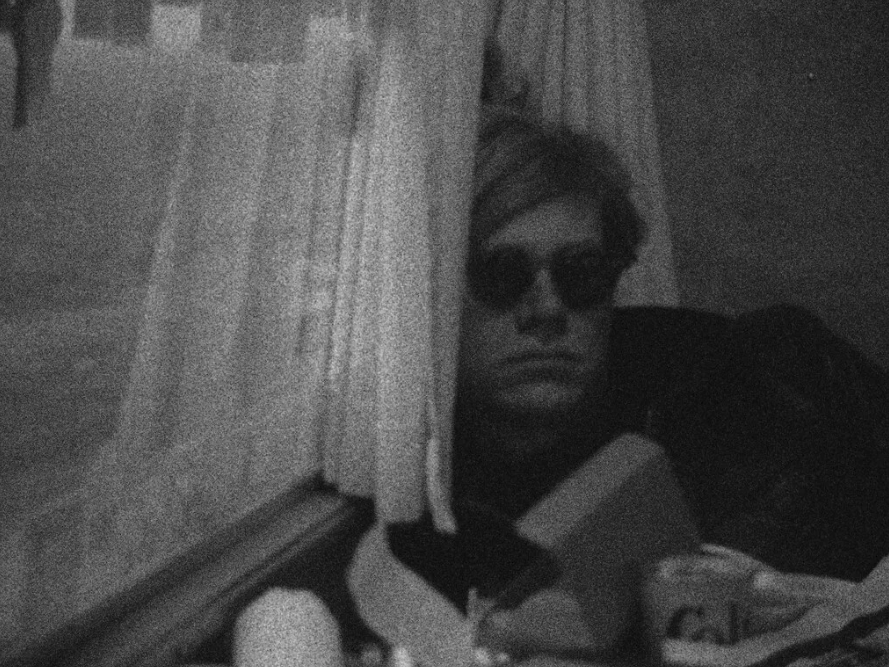
Andy Warhol captured on film in 1966, on his way to Ann Arbor, Mich., with the Velvet Underground. Courtesy The Museum of Modern Art and The Andy Warhol Museum
The dead don't keep secrets forever. Sometimes they just need the right lab tech and a patient archivist with a hunch.
More than 80 rolls of undeveloped 16mm film sat in a Pennsylvania storage facility for decades, faintly marked "raw stock" in handwriting so vague it discouraged further investigation. Katie Trainor, MoMA's film collections manager, and Greg Pierce, then director of film and video at the Andy Warhol Museum, discovered the box in 2015 during routine inventory. Unlike virgin film stock, these rolls showed signs of exposure. Some carried cryptic labels: "Jerry & Girl," "3-12-66 Ann Arbor Car Ride."
Nine years passed before anyone tried to find out what Warhol's camera had captured but never saw.
According to a piece published by NY Times the other day, Trainor sent 86 rolls to Colorlab in suburban Washington, where owner Thomas Aschenbach processed footage that had been exposed to light 60 years earlier. Thirty-eight rolls emerged with imagery intact. The rest were either blank or obliterated by overexposure.
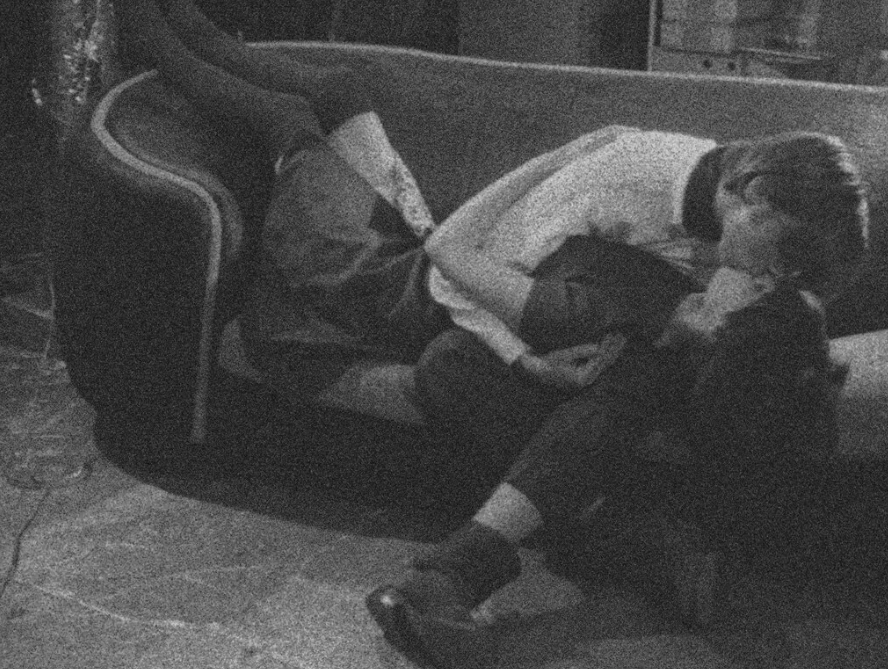
A still from unused footage for Warhol’s 1964 film “Couch.” Courtesy The Museum of Modern Art and The Andy Warhol Museum
What surfaced represents a cross-section of Silver Factory chaos circa 1963-66. Five previously unknown Screen Tests include Factory regular Naomi Levine and the recently deceased Sally Kirkland, plus additional footage of Dennis Hopper and Jane Holzer, both already documented subjects. Several other Screen Test subjects remain unidentified.
Warhol shot hundreds of these silent, black-and-white portraits using his 16mm Bolex camera between 1964 and 1966—four-minute sessions he called "stillies" decades before selfies existed. The format captured celebrities like Bob Dylan and Salvador Dali alongside beautiful unknowns from his superstar stable. As Pierce explained in a previous interview with B Scene Zine, the Screen Tests reflected Warhol's compulsion to document everyone who walked through the Factory door, collecting people and beauty with the same archival impulse that meant "nothing ever went into the trash."
Beyond the stillies, recovered footage includes unused material from Sleep, Kiss, Batman Dracula, and Couch. There's documentation of Frank Stella's January 4, 1964 opening at Leo Castelli Gallery. Ann Arbor road trip from March 12, 1966 appears as grungy as Velvet Underground veterans remember it. A March 8, 1966 roll captures a classic Factory party.
Early Central Park footage—possibly shot shortly after Warhol acquired his Bolex in summer 1963—shows unexpected lightness, closer in spirit to his 1950s commercial illustrations than the deadpan Pop aesthetic that defined his subsequent work.
Perhaps most significantly, explicit material shot on the Factory couch and in the Factory stairwell represents roughly a quarter of the developed rolls, the Times reported. From masturbation to fellatio to an interracial threesome, the footage documents sexual content years before Blue Movie became the first explicit film to receive wide theatrical release in 1969. Pierce considers these discoveries the most important in the trove, potentially ending the persistent myth of Warhol's asexuality while documenting how radically he diverged from his Pop Art contemporaries.
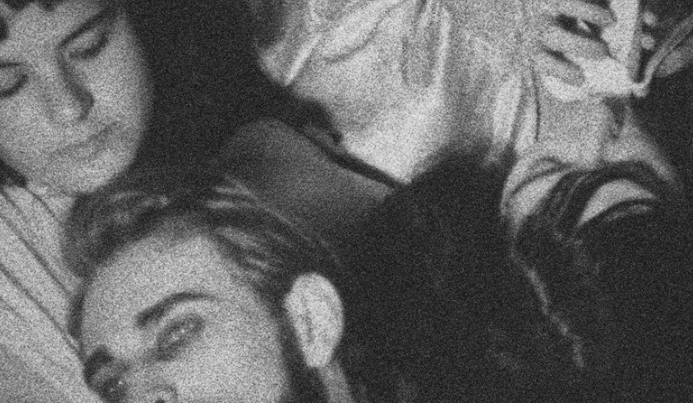
A still from unused footage for Warhol’s 1964 film “Couch.” Courtesy The Museum of Modern Art and The Andy Warhol Museum
Five additional rolls shot by Factory cinematographer Danny Williams feature Gerard Malanga, Paul Morrissey, Edie Sedgwick, the Velvet Underground, and Warhol himself.
Why these particular rolls never made it to the darkroom remains speculation. The Silver Factory's productive chaos and sheer volume of footage offer partial explanation (The New York Times). Legal concerns around explicit content may have played a role—Trainor joked that "the DNA on that couch would have a forensics specialist going crazy" when discussing an interracial threesome captured on film.
MoMA screens the complete recovered footage once, February 2 at 6:30pm, as the finale to its annual To Save and Project film preservation series, presented in association with the museum's Face Value: Celebrity Press Photography exhibition. After 60 years in darkness, Warhol's ghost reels get their premiere without their director in attendance—proof that even obsessive archivists don't always know what they've got until someone bothers to look closer at a box marked "raw stock."